
Counseling for Female Dancers in McKinney, TX
You love to dance. The music, the movement, the feeling of finally getting something you’ve practiced over and over. But there may be times when something you love starts to feel more stressful than enjoyable.
Maybe you replay every correction after rehearsal. You compare yourself to other dancers, worry about auditions or casting decisions, or feel like you’re constantly trying to prove that you belong. Even when things are going well, it can be hard to feel like you’re doing enough.
And sometimes, what’s weighing on you has very little to do with dance. Friendships, relationships, school, family expectations, and figuring out who you are can bring their own challenges.
I’m Brooke, a Licensed Professional Counselor-Associate in McKinney, Texas. I work with high school and college dancers who are dealing with anxiety, perfectionism, self-doubt, and the challenges that come with this stage of life. My goal is to help you better understand what you’re experiencing, build confidence in yourself, and make room for the things that matter to you, both in and outside of dance.
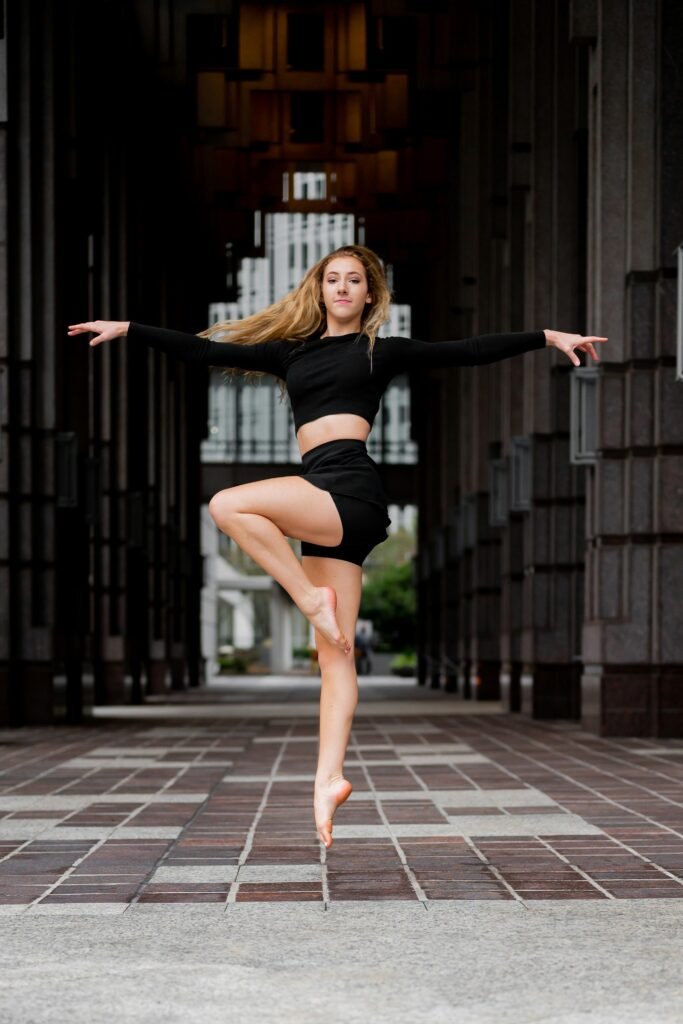
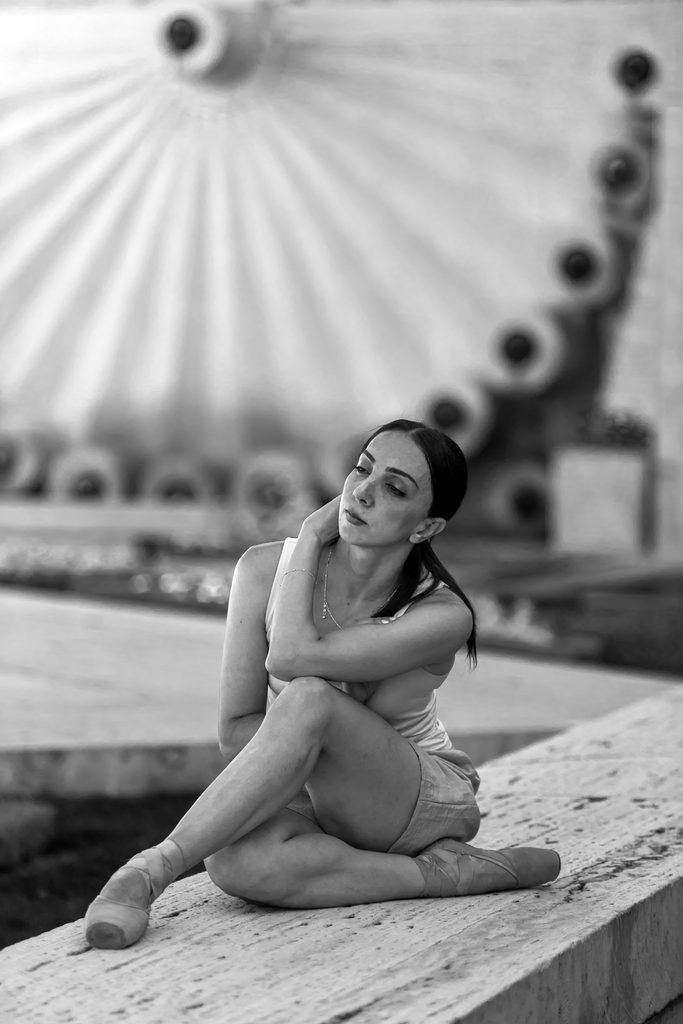
Female Dancer Counseling for Anxiety & Performance Pressure
Dance asks a lot of you. There are long rehearsals, corrections to remember, auditions to prepare for, and expectations that can feel difficult to meet. When you’re someone who cares deeply about doing well, it’s easy to become your own toughest critic.
You might notice yourself focusing on the one mistake you made instead of everything that went well. Maybe you feel confident during rehearsal but start second-guessing yourself when it’s time to perform. Or perhaps comparing yourself to other dancers has made it harder to appreciate your own progress.
Over time, these patterns can affect how you feel about yourself, both in and outside the studio.
In counseling, we’ll look at the thoughts, expectations, and habits that may be contributing to that pressure. I’ll help you recognize when self-criticism is getting in your way, learn ways to respond to anxiety, and build confidence that isn’t dependent on a perfect performance or someone else’s approval.
You can care deeply about dance and still learn to give yourself a little more room to be human.
Caring for the Whole Dancer
When you’ve spent years dancing, it’s natural for it to become a big part of who you are. Your friendships, routines, goals, and even how you see yourself may be closely connected to dance. But what happens when that relationship starts to change?
An injury might leave you watching rehearsals from the sidelines. You may be adjusting to a new studio or college program, questioning whether you want to continue dancing, or wondering what life will look like when competitive dance ends. These changes can bring up feelings you weren’t expecting, especially when dance has been such an important part of your life.
I believe that taking care of your mental health means paying attention to the rest of your life, too. When we work together, I want to understand what’s happening beyond rehearsals and performances so we can look at the different pieces that contribute to your overall well-being.
Sleep, Rest & Recovery
We’ll look at how rehearsals, performances, sleep, and recovery affect your emotional well-being, and how to make room for the rest your mind and body need.
Body Image & Self-Worth
We’ll explore how mirrors, costumes, comparison, and appearance expectations may affect the way you see yourself, and work toward a more compassionate relationship with your body.
Relationships & Support
We’ll talk about relationships with family, friends, dance instructors, and other dancers, including communicating your needs and setting healthy boundaries.
Identity Beyond Dance
Dance may be an important part of your life, but it’s not all of who you are. We’ll make room to explore your interests, values, and identity through injuries, changes, and transitions.
My counseling approach draws from Cognitive Behavioral Therapy (CBT) and Acceptance and Commitment Therapy (ACT). Together, we’ll work on recognizing unhelpful thinking patterns, responding to difficult emotions, and making choices that reflect what matters most to you.
You don’t have to give up your love of dance or the goals you’ve worked hard to achieve. I want to help you continue pursuing what’s important to you while building a healthier relationship with yourself, both in and outside the studio.
Counseling That Fits Your Life
In-Person Counseling
We can meet in my cozy counseling office near downtown McKinney, Texas. It’s a comfortable place to talk through what’s on your mind, away from the demands of school, practice, and everyday life.
Telehealth Counseling
Virtual counseling is available for clients located in Texas. We can meet online from a private, comfortable location, making it easier to fit counseling around school, practices, and competitions.
Supporting Parents of Female Dancers
You’ve spent countless hours driving to rehearsals, sitting through competitions, helping with costumes, and cheering from the audience. You’ve seen how much dance means to your daughter, and you want her to continue enjoying something she’s worked so hard for.
But maybe you’ve noticed some changes. She’s harder on herself after performances, gets anxious before auditions, or seems less excited about going to dance than she used to. Perhaps she’s struggling with friendships at the studio, comparing herself to other dancers, or feeling overwhelmed trying to balance school, dance, and everything else.
As a former athlete, educator, school counselor, and parent of athletes, I understand how much you want to see your daughter succeed and feel good about herself along the way. I also know that sometimes it’s difficult to figure out how to help, especially when the pressures she’s experiencing are outside your control.
Counseling can give your daughter a place to talk openly about what she’s experiencing, develop skills to manage anxiety and difficult emotions, and build confidence in who she is beyond dance. When working with teens, I also value partnering with parents in ways that support their daughter’s progress while respecting her privacy and growing independence.
You don’t have to have all the answers. Sometimes the most helpful thing you can do is make sure your daughter has someone in her corner.
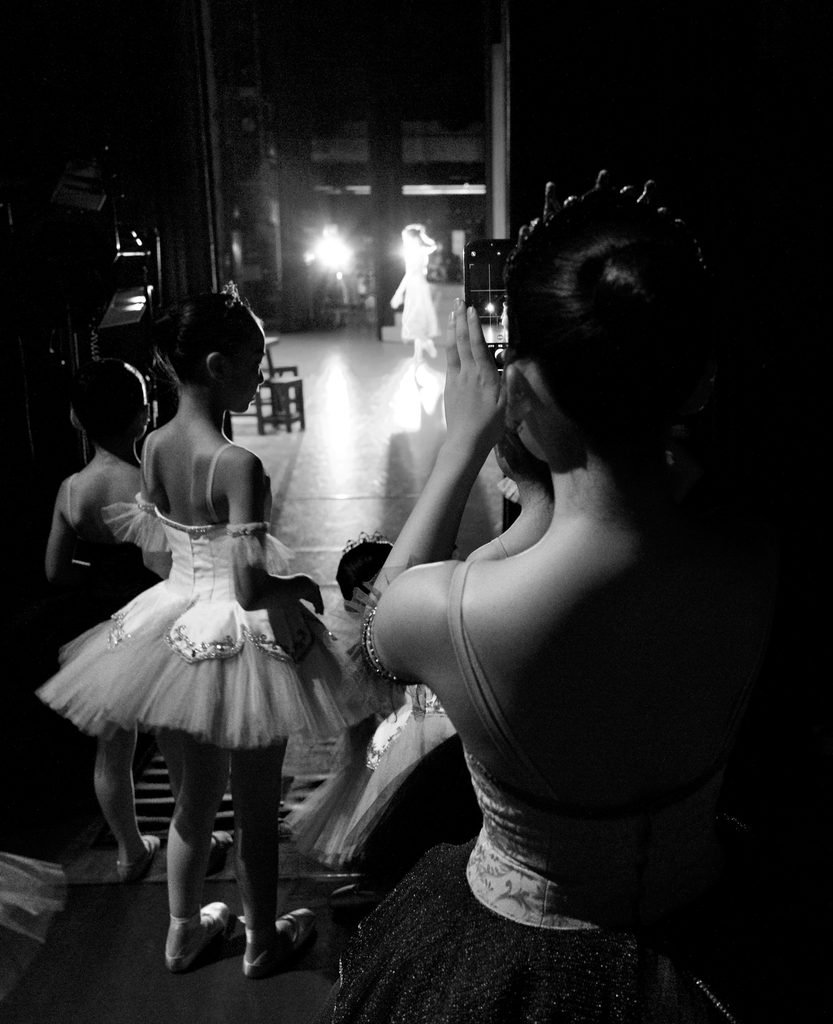
Let’s Talk About What’s Next
Dance has been an important part of your life, and you deserve to feel good about the person you’re becoming along the way. You can have big goals, work hard for them, and still make room to take care of yourself.
If you’re a dancer who’s been struggling, or a parent looking for support for your daughter, I’d love to hear from you. We can start with a free consultation to talk about what’s been going on, answer your questions, and see whether working together feels like a good fit.